Amazing Discoveries (21st century)
What are the greatest astronomy discoveries that occurred in your lifetime?
There’s a vivid memory I have, of sitting around Patrick Moore’s dining room table and discussing the idea for what later became BBC Sky at Night Magazine.
One of the people present – who shall remain nameless – wondered if there would be enough material to fill its pages month after month.

_________________________________________________________________
Gaia mapping the Milky Way!
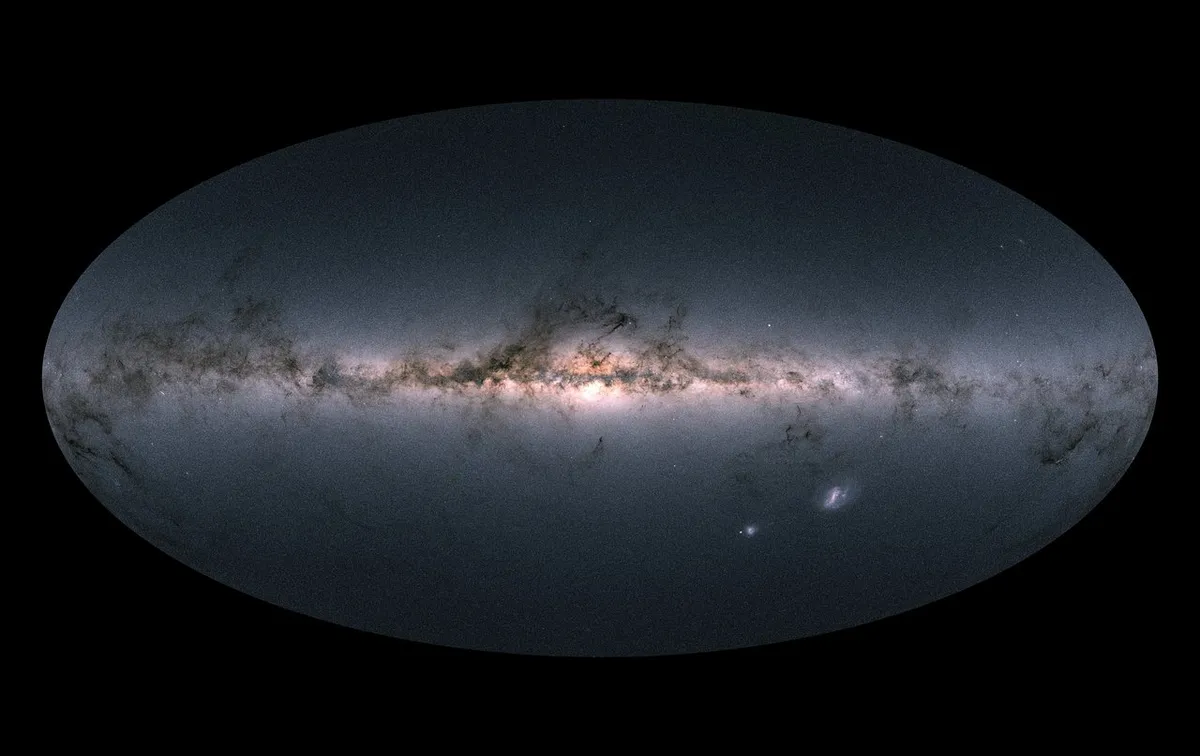
Astronomy has its roots in mapping the night sky, and the latest and greatest map has been provided by ESA’s Gaia spacecraft.
Gaia launched in 2013 and since then it has painstakingly recorded the position and movements of the nearest billion or so stars, allowing researchers to trace the Milky Way’s history like never before.
_________________________________________________________________
The explosion of exoplanet exploration
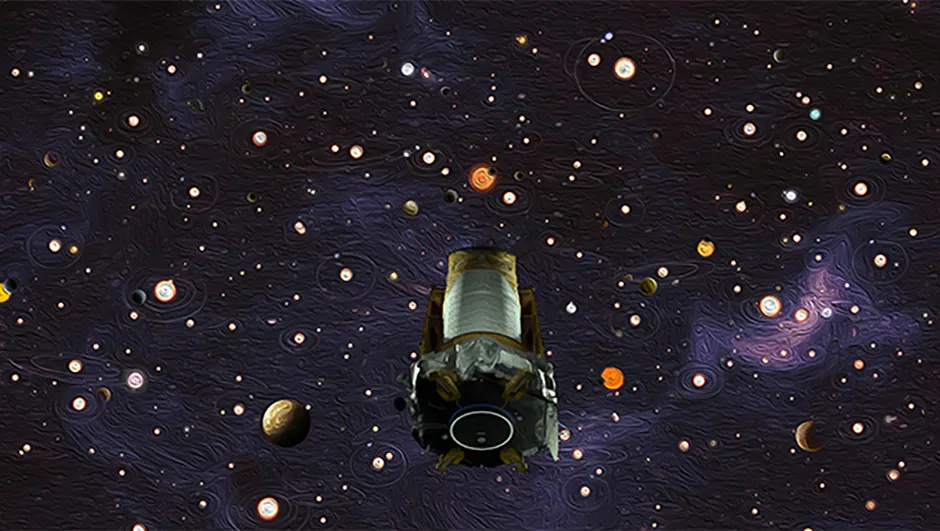
A slow-burning scientific revolution has been underway throughout the past few decades, transforming how we view the Universe.
Thanks to the incredible precision achieved by instruments both on Earth and in space, we now know that exoplanets are common around the stars of the Milky Way, and presumably throughout the Universe.
The Kepler Space Telescope in particular, built in the hopes of discovering a mere handful of planets, delivered a cosmic bounty that was way beyond the dreams of its builders.
We can now look at the night sky as one filled with the potential of millions of worlds.
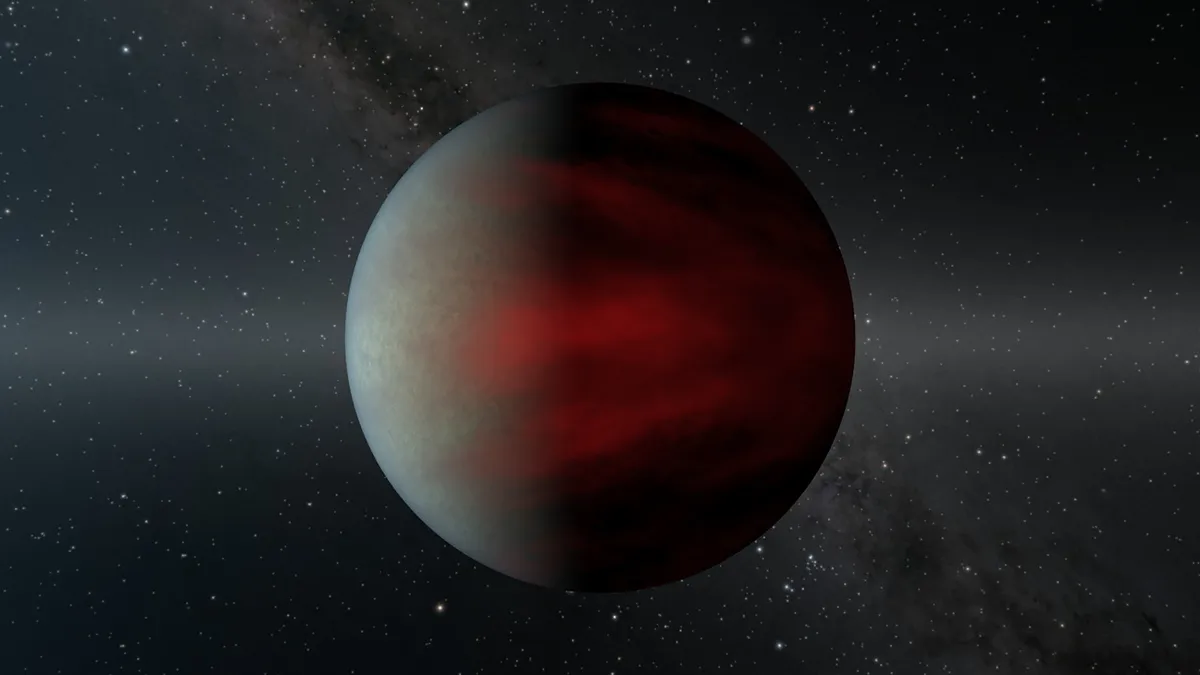
And what worlds they are. All manner of weird and wonderful exoplanets have been discovered including hot Jupiters, so close to their parent stars that they are literally boiling away, and what seem to be ocean worlds.
From Tatooine-like planets like BEBOP-1c, with two suns in their skies, to lost worlds wandering between the stars, almost every kind of planet you can imagine has been found.
Surprisingly, the most common type of planet, a super-Earth – sitting between our own world and something like Uranus or Neptune, size-wise – doesn’t even exist in our Solar System, and the old explanations for the clustering of our rocky worlds close to the Sun with gas giants further out may no longer hold.
_________________________________________________________________
Cassini spies water jets over Enceladus
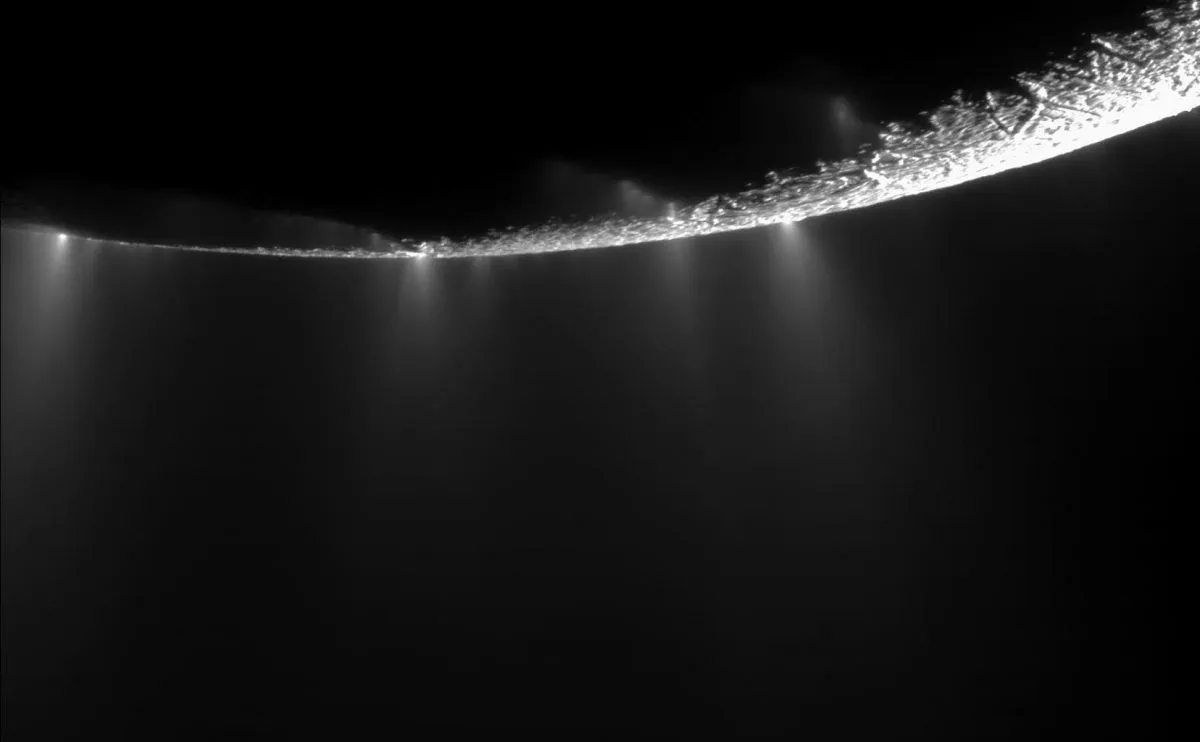
The Cassini spacecraft’s flybys of Saturn’s moon Enceladus, which started in 2005, transformed our view of this tiny world.
While passing over the moon’s south pole, the Cassini spacecraft flew through fountains of water, betraying the existence of an ocean beneath its icy surface.
These fountains turned out to be the source of Saturn’s tenuous E-ring and, more importantly, make this previously obscure world perhaps the best place in the Solar System to look for life.
With increasing evidence for subsurface oceans on Jupiter’s Galilean moons Europa and Ganymede, and maybe even on Pluto, such environments may be much more prominent than rocky worlds like our Earth
_________________________________________________________________
Methane on Mars
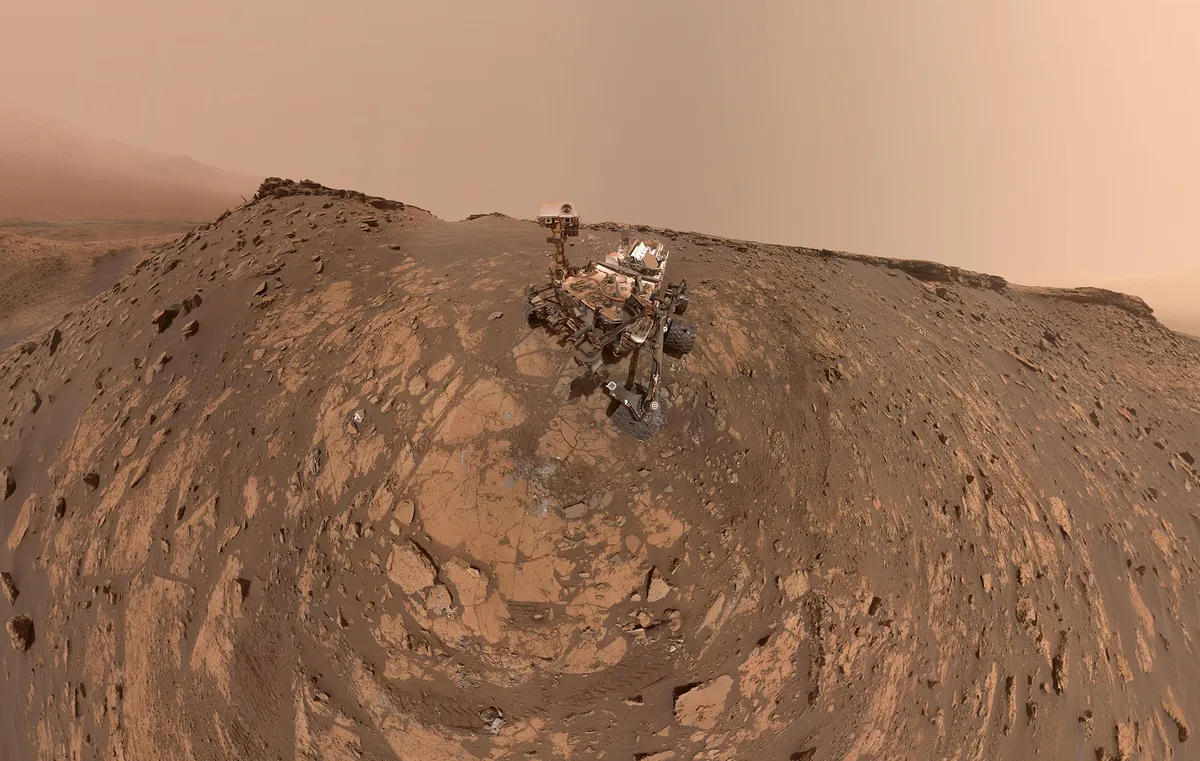
Mars has been the target of more missions over the past few decadesthan any other object, and together they have told us a roughly coherent story about the Red Planet’s past.
We can now be sure it was once a wet world, with oceans and lakes, and all the raw materials for life in place.
There has even been evidence found of water ice at Mars's equator.
Yet new questions have arisen, chief among them the reason for the methane detected occasionally by the Curiosity rover, starting in 2013, but which is strangely not detected from orbit.
Is it a sign of life of Mars clinging on with methane-producing bacteria under the Martian surface, the result of a geological process, or an instrumental artefact or a contaminant? We just don’t know.
_________________________________________________________________
New Horizons flies by Pluto
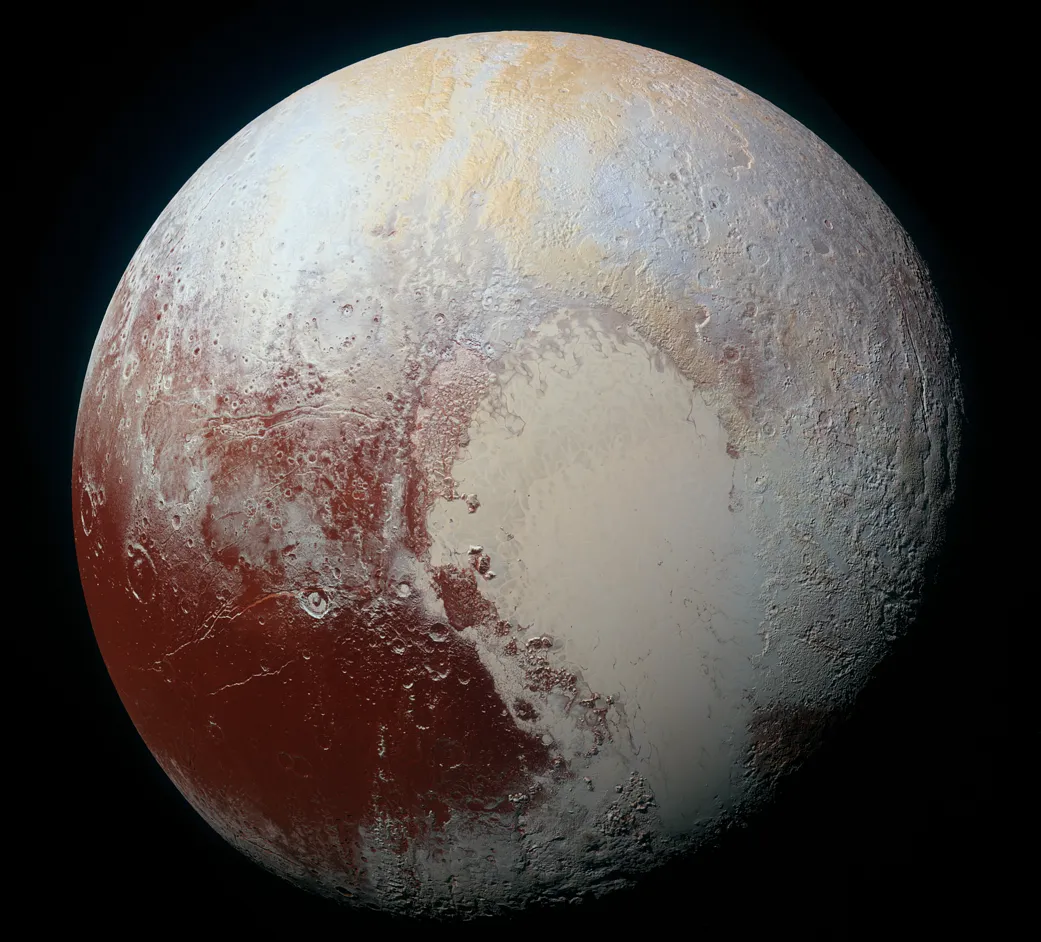
To Dr Alan Stern, the leader of the team that designed, built and flew the New Horizons mission, its reconnaissance of Pluto completed the American exploration of the main Solar System bodies.
The images of this fascinating – and surprisingly complex surface – taken during its flyby on 14 July 2015 astounded and amazed the world.
The amazing heart-shaped region and the studies of Pluto's service by the mission have made it one of the greatest sources of astronomy discoveries in our lifetimes.
_________________________________________________________________
Hubble's last servicing mission
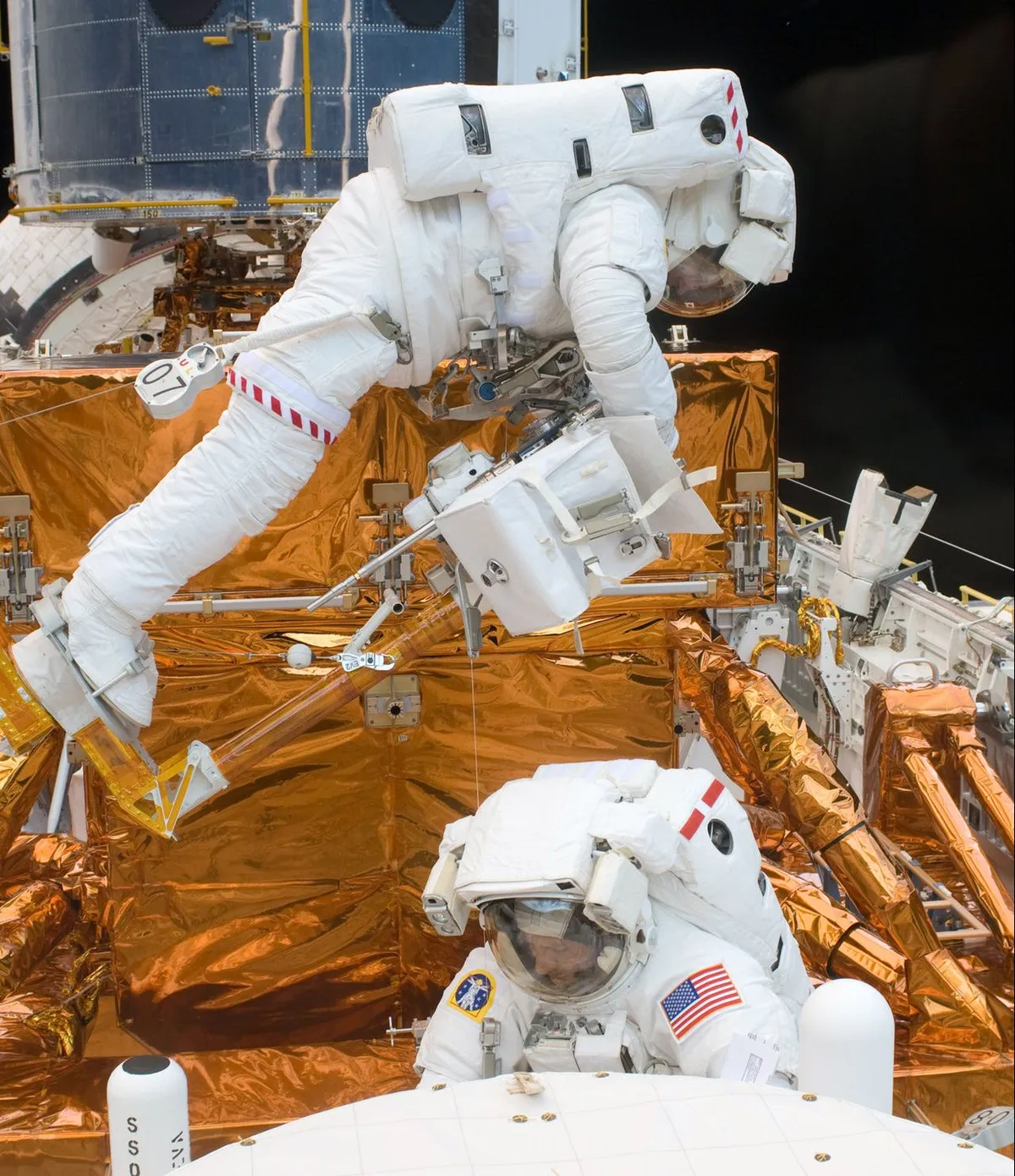
After the tragic loss of the Space Shuttle Columbia, Servicing Mission 4 was initially cancelled.
Determination and bravery eventually led to a rethink, and the mission to service the Hubble Space Telescope went ahead in May 2009.
The Hubble servicing mission fixed major problems with two of the space telescope’s instruments, repaired systems never designed to be fiddled with in orbit and installed new hardware.


Comments
Post a Comment